About Sleeve Gastrectomy in Nashik
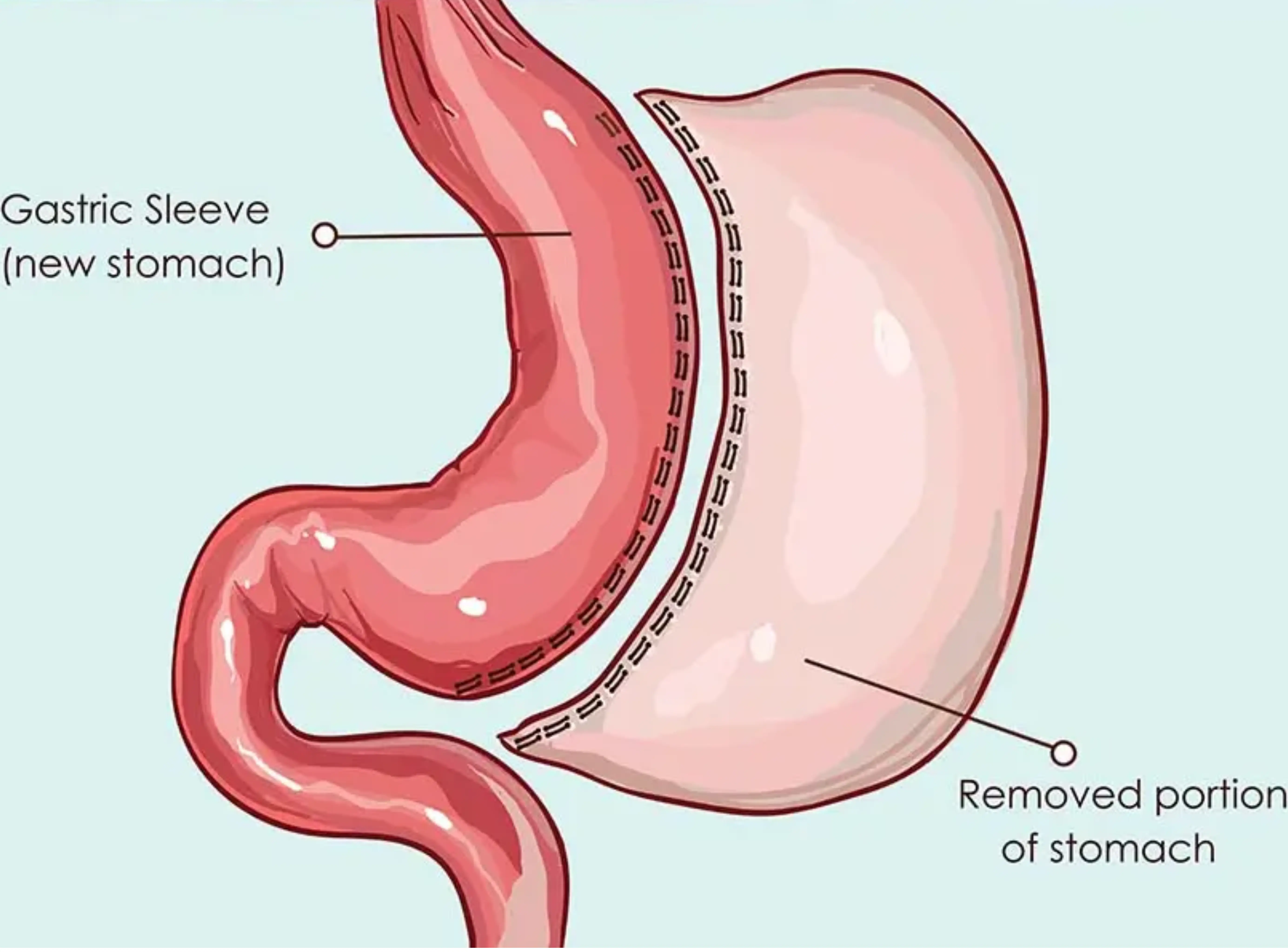
Laparoscopic sleeve gastrectomy is a bariatric and metabolic procedure in which a large portion of the stomach is removed to create a smaller, sleeve-shaped stomach. Dr. Janak Malu provides evaluation for sleeve gastrectomy in Nashik for suitable patients with clinically significant obesity. The procedure can reduce stomach capacity and influence appetite-related hormonal signals, but successful long-term weight management also requires dietary, activity and follow-up changes.
Laparoscopic Sleeve Gastrectomy (Gastric Sleeve) is a highly effective bariatric and metabolic surgery designed to treat severe obesity, type 2 diabetes, hypertension, and sleep apnea. The procedure involves removing approximately 75-80% of the stomach structure using high-precision surgical staplers, leaving a narrow, sleeve-like pouch resembling a banana. This restricts food capacity and significantly alters metabolic pathways, including reducing the production of Ghrelin (the hunger hormone). The surgery is executed laparoscopically to guarantee minimal tissue trauma, rapid recovery, and patient safety under the expertise of gold medalist surgeon Dr. Janak Malu.
Symptoms & When to Seek Medical Evaluation
The following symptoms may require medical evaluation. Treatment depends on the diagnosis, severity and individual clinical findings:
How the Procedure Is Performed
The exact steps vary by procedure and individual clinical findings. A typical treatment pathway may include:
Preoperative Evaluation
Medical fitness, nutritional status, BMI, associated conditions and suitability for sleeve gastrectomy are assessed.
Laparoscopic Access
Under general anesthesia, small abdominal incisions are made for the camera and surgical instruments.
Sleeve Formation
The stomach is divided vertically using surgical stapling devices to create a narrow sleeve-shaped stomach.
Removal of Stomach Portion
The separated portion of the stomach is removed while the remaining stomach continues to connect the esophagus with the small intestine.
Final Assessment & Closure
The staple line is assessed according to the surgical protocol before the instruments are removed and the incisions are closed.
Laparoscopy vs Open Surgery
Understand the clinical differences and benefits of minimal access keyhole surgery compared to conventional methods:
| Feature | Sleeve Gastrectomy | Gastric Bypass |
|---|---|---|
| Stomach | Sleeve-shaped stomach created | Small stomach pouch created |
| Intestinal Bypass | No intestinal bypass | Part of the small intestine is bypassed |
| Mechanism | Restriction plus hormonal effects | Restriction plus intestinal and hormonal effects |
| Nutritional Follow-Up | Required | Required, with particular attention to malabsorption-related deficiencies |
| Procedure Selection | Suitable for selected patients | May be preferred for selected metabolic or reflux-related situations |
Why Choose Laparoscopic Approach?
- Can produce substantial weight reduction in appropriately selected patients.
- May improve several obesity-associated health conditions.
- Reduces stomach capacity and may influence appetite-related hormones.
- Does not involve intestinal bypass as part of the sleeve procedure.
- Performed laparoscopically using small abdominal incisions.
Recovery Timeline & Post-Op Guidelines
Patient mobilization and customized home-care directives facilitate safe and prompt healing:
Walking and a prescribed liquid intake plan are generally started after surgery according to clinical status.
Diet typically progresses through a structured liquid phase while hydration and protein intake are monitored.
Pureed and soft foods are introduced gradually according to the bariatric nutrition plan.
Portion control, healthy food choices, physical activity and regular follow-up remain essential.
Why Consult Dr. Janak Malu in Nashik?
Dr. Janak Mahesh Malu is a laparoscopic and minimal access surgeon with MBBS, MS (Surgery) and FNB-MAS (Minimal Access Surgery) qualifications. He provides surgical consultation and treatment at Janahit Hospital, Nashik.
Treatment is planned according to the diagnosis, clinical findings, medical condition and individual suitability for minimally invasive or conventional surgery.
Frequently Asked Questions
Find answers to common concerns regarding the procedure, safety, and hospital directives:
Q: What is sleeve gastrectomy?▼
Q: Is sleeve gastrectomy reversible?▼
Q: How much weight can I lose after sleeve gastrectomy?▼
Q: How long does recovery take after sleeve gastrectomy?▼
Request Consultation
Consult with Gold Medalist surgeon Dr. Janak Malu regarding Sleeve Gastrectomy diagnostics, cashless insurance, and surgery costs at Janahit Hospital.
Expert Surgeon

Dr. Janak Mahesh Malu
Gold Medalist Surgeon
MBBS, MS (Surgery), FNB-MAS (Minimal Access Surgery)